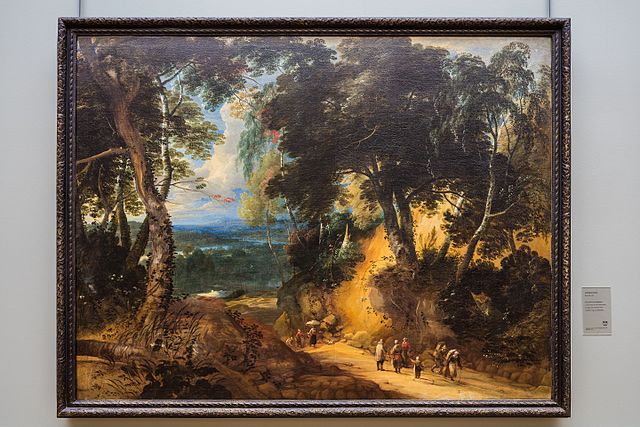
An Analysis of Passion, Patronage, and Portfolio
Fine Art Market Report 2025
Report Purpose: To provide a comprehensive overview of the global fine art market’s structure, performance, key drivers, and its appeal to a diverse range of participants.
Key Findings:
- Summary of current market valuation and recent growth trends.
- Synopsis of art’s dual role as a cultural asset and a financial instrument.
- Highlight of major trends, including the impact of digital technology and the rise of new collector demographics.
Market Outlook: A top-level forecast for the market’s trajectory, noting key opportunities and challenges.
Introduction: More Than a Canvas
- Defining “Fine Art”: Differentiating between decorative art, collectibles, and investment-grade fine art.
- The Art Market’s Dual Identity: Exploring the unique intersection of culture, history, aesthetics, and commerce.
- Historical Context: A brief history of art collecting, from Renaissance patrons to modern mega-collectors.
Market Size & Scale: A Global Perspective
- Global Market Valuation: Analysis of total annual sales volume (in USD).
- Key Geographic Hubs: Market share breakdown and analysis of the dominant centers:
- New York (USA)
- London (United Kingdom)
- Hong Kong / Mainland China
- Transaction Volume vs. Value: The high concentration of value in a small number of ultra-high-priced works versus the broader volume of lower-priced transactions.
Anatomy of the Market: Key Segments & Components
- By Historical Period (Art Movements):
- Old Masters (Pre-1800)
- Impressionist & Modern (c. 1860-1945)
- Post-War & Contemporary (c. 1945-Present)
- Ultra-Contemporary (Artists born after 1975)
- By Medium:
- Painting (Oil, Acrylic)
- Works on Paper (Drawings, Prints, Watercolors)
- Sculpture
- Photography & New Media (Video, Digital Art)
- By Price Point:
- The Top End (The “Trophy Market”): Works > $10 million
- The Middle Market: $50,000 – $1 million
- The Entry Level / Accessible Market: < $50,000
The Ecosystem: Key Players & Infrastructure
- Primary Market: Where art is sold for the first time.
- Artists & Their Studios
- Galleries (from emerging spaces to “mega-galleries”)
- Art Fairs (e.g., Art Basel, Frieze, The Armory Show)
- Secondary Market: Where art is resold.
- Auction Houses (e.g., Christie’s, Sotheby’s, Phillips)
- Private Dealers & Secondary Market Galleries
- Ancillary Services (The “Glue”):
- Art Advisors & Consultants
- Appraisers & Valuation Experts
- Insurers, Shippers, and Storage Facilities
- Museums & Curators (as tastemakers and validators)
The Science of Value: What Makes Art Expensive?
- The Core Pillars of Valuation:
- Artist: Career trajectory, exhibition history, critical acclaim.
- Authenticity & Provenance: Unbroken chain of ownership and history.
- Condition: Physical state of the artwork.
- Rarity & Scarcity: Is it a unique work or part of a limited series?
- Subject Matter & “Wall Power”: The aesthetic and emotional impact of the piece.
- The Role of Narrative: How a compelling story or historical importance can dramatically increase value.
Art as an Asset Class: The Investment Thesis
- Performance vs. Traditional Assets: Comparing art market indices (e.g., Artprice100) against the S&P 500, gold, and real estate.
- Benefits for a Portfolio:
- Low Correlation: Art values often move independently of stock market fluctuations.
- Inflation Hedge: A tangible store of value.
- Wealth Preservation & Transfer: A stable asset for intergenerational wealth.
- Risks & Considerations:
- Illiquidity: Art cannot be bought or sold instantly.
- High Transaction Costs: Buyer’s premiums, seller’s commissions, insurance.
- Subjectivity & Market Whims: Tastes can change.
- New Investment Models: Fractional ownership platforms and art investment funds.
The Collector’s Psyche: Beyond the Balance Sheet
- The Passion for Aesthetics: The pure, intrinsic joy of living with beautiful and thought-provoking objects.
- Social & Cultural Capital: The prestige, status, and networking opportunities associated with collecting.
- Intellectual Engagement: The thrill of the hunt, the process of research, and the connection to history and culture.
- Patronage & Legacy: The desire to support living artists and contribute to the cultural landscape for future generations.
The Future of the Art Market: 2025 & Beyond
- Technological Disruption:
- The impact of online sales platforms and virtual viewing rooms.
- Blockchain, NFTs, and the verification of digital art.
- Evolving Collector Demographics: The growing influence of collectors from Asia and the Millennial/Gen Z generations.
- A Focus on Diversity: Increased market attention on previously underrepresented artists (women, artists of color).
- Transparency vs. Opacity: The ongoing tension between the market’s traditional secrecy and a growing demand for transparency.
Conclusion
- Summary of the Market’s Enduring Appeal: A recap of the financial, intellectual, and emotional drivers.
- Final Thoughts: The fine art market as a unique and complex ecosystem that reflects the highest aspirations of human creativity and the intricate dynamics of global wealth.
Key Resources –