Horacio Pagani
Horacio Pagani, Creating the Legend of the Zonda
Episode #50
08.11.26
“If you had to imagine in your mind the autocratic, charismatic creator of probably the most impressive hypercar brand to emerge on its own in the last 30 years, you couldn’t actually make up Horacio Pagani. He’s perfect.”
-Chris Harris, ‘Apex: The Story of the Hypercar’
So that was Chris Harris, the well-known auto journalist. And the quote’s from a movie that I just watched, a documentary movie. The title of the movie was, ‘Apex, the story of the Hypercar.’
Here’s why I like that quote so much. Because it was in this old documentary, and this thing’s like at least 10 years old. And Chris Harris, he talks about Pagani, the brand and the creator, Horacio. What he just said is still true, and it’s gonna be true 10 years from now.
I think I’ve watched every single Horacio Pagani interview. So there’s a great one that I just watched. It’s it’s fairly recent, maybe it’s a year old. And Horacio’s sitting on a park bench back in his hometown. He’s in Argentina, where he grew up. And people are coming up to him to say hello to him during the interview, interrupting the interview. And they recognize him from like 30 to 40 years ago, back when he was a kid in Argentina. They’re coming up to the bench that he’s doing this interview from in the middle of this park.
And there’s this old guy that walks up to him. He wants to say hi. And instantly Horacio recognizes this old guy that walks up. It was an old friend that painted one of Horacio’s first cars that he ever built. So they’re talking about it. They called it the buggy. It was one of these first vehicles that Horacio ever made when he was a kid. He’s talking to this old guy and he’s telling him how great of a painter he was. This guy painted the buggy back in the day. And so Horatio’s hugging this guy. They’re hugging and shaking hands, and he’s kind of squeezing his face and squeezing his cheeks like a long-lost friend. In this interview, Horacio stands up and stops this interview to talk to this old guy that he recognizes.
And they’re talking about how great of a painter this guy was. And Horacio just says, You were a genius. You were a genius painter. And this older guy is just standing there, just he just can’t believe that he’s standing there with Horacio. You can just tell he’s just beaming. So then he goes, uh Horacio says he’s been trying to find that buggy, that first project that he built. He’s been trying to find the original buggy so he can restore it. And then he wants to put it in the Pagani Museum.
He wants to have the old gang do the restoration. All the guys that worked on it with him back in the day, he wants to find the old buggy and then find the guys to have him restore this thing so he can put it back into the Pagani Museum where it belongs. And this one of these guys that walks by during this interview, he was the painter. He was the guy that painted the buggy.
It was so cool to see this. He wants to get all the guys back. And in this video, he says, I want to find the buggy. Help me find the buggy. You got to watch the interview. I’ll link to it.
Anyway, like Chris Harris said, the reason I started this episode out with that quote from Chris Harris, the auto journalist who knows more about cars than I’ll ever know. He said it. He said, if you had to imagine in your mind the autocratic, charismatic creator of probably the most impressive hypercar brand to emerge on its own in the last 30 years. He said it. You couldn’t actually make up Horacio Pagani. He’s perfect. So that’s why I started this episode with that quote, because it’s still true. It is the perfect quote. Pagani’s the perfect character for a hypercar brand. And Chris Harris gave the perfect quote for Horacio.
So there is so many interviews out there with Horacio. It’s crazy. I’ve watched all of them, like I said, but as you start to watch them, you know, I start to feel kind of bad for Horacio because he’s got to tell this story, the creator’s story, his story. He tells it over and over because people want to know the details because it’s such a great story. But he’s got to tell the same thing over and over. And I’m I’m sure he doesn’t mind telling the story.
But then I was thinking, you know, most of these interviews are in Italian. So you gotta read the captions. It’s kind of tricky. And so some of these interviews, they actually have like a fake voice. They’re like dubbed over the Italian-speaking interviews. And so it’s kind of tricky to match up, like who’s talking and the voices don’t sound very good at all.
And so I was thinking, this creator’s story of Pagani is so incredible. So I wanted to refresh your memory with this creator’s story. It’s just an amazing, awesome story, one of my favorites in any car engineering creator’s racing story that I’ve done. This is probably my favorite. Not just the creator’s story of how he got started, but the story is still going.
And like every few months, there’s a great interview that pops up, and I watch it and I find out something new about the guy, Horacio. But the story of how he got to where he is, it’s just incredible. How he took this giant leap. He was just a talented worker at Lamborghini. And then he suddenly just put himself way out there. He started his own project, he built his own car, and that became the Zonda. And he launched it in 1999.
But leading up to that, leading up to 1999, it’s just such an incredible story of just determination and creativity and doing things so different. So this is really the big moment in the story right here.
Horacio Chooses His Own Car
I gotta read this quote. It’s from another interview that I found, and this is how he explains it in Italian. And I, you know, I just had to look at the transcript. This is the big moment right here in his early days. Horacio says this in that interview. He goes,
“I was left jobless because they were my only client. I was jobless, but I had debts due to the construction of my workshop as well as personnel costs. It was really tough being a single customer company. I decided not to complete the new workshop, but to continue in my old warehouse. I started to work for Formula One and several other clients. It was in that moment, probably one of the toughest for the car industry, that I decided I had to create my own.”
So this is way back in the early part of his career. This is where he actually describes it as the moment. And it’s when he realized he needed to create his own car because he had this design company. It was modern design and he was building car parts for certain manufacturers. And this was the moment he needed to do his own car. He keeps going in this interview. He says,
“It could have taken a very long time because I lacked the economical resources. But regardless, I began to design it. My team counted very few people. I started working on the Zonda outside of my work hours. During work hours, I had to make a living. Therefore, I was working on the car at night, early in the morning, on the weekends. That’s how the Zonda was born.”
So that’s from one of my favorite interviews of Horacio, talking about that big moment right there.
Art And Science As A Compass
He realized he needed to create his own car. That would become the Zonda. So back to this interview. Horacio explains this passion to create. And this is why he decided to build this car. One of the most beautifully designed cars ever made. So in that same interview, Horacio’s asked, why do you create cars? Why do it? And he says,
“I’ve always loved art and I’ve always been good at it. But I was also curious about scientific topics. This led me to cars because it combined art and science. Then, when I was 13 or 14, I learned about a person that was like a guide to me. It was Leonardo da Vinci, who I discovered through a magazine of my father’s. I read the sentence from Leonardo. Art and science can go hand in hand. For a boy like me, keen on scientific subjects, as well as artistically inclined, it was a revelation that sparked a great curiosity.”
So Horacio discovers he discovers this article on Leonardo da Vinci. He’s 13 years old. He’s in Argentina. And this would kind of set the stage for the rest of his journey. And this is a phrase that Horacio repeats in a lot of interviews, almost every interview that he does. He says, art and science can go hand in hand. And he and this is how he explains he’s going to apply this great quote from Da Vinci. This is what he’s going to do. He says,
“The passion for cars and specifically for these types of cars came from the Argentinian magazine Automundo, that mainly focused on racing cars, but also featured newly released sports cars, mainly Gran Turismo. Back then there weren’t many brands, just five or six that were publishing about their work. So I saw the very first vehicles from Ferrari, Bertoni, and Lamborghini. To me it was love at first sight. These cars seem magical to me, and I realized that it was going to be my job.”
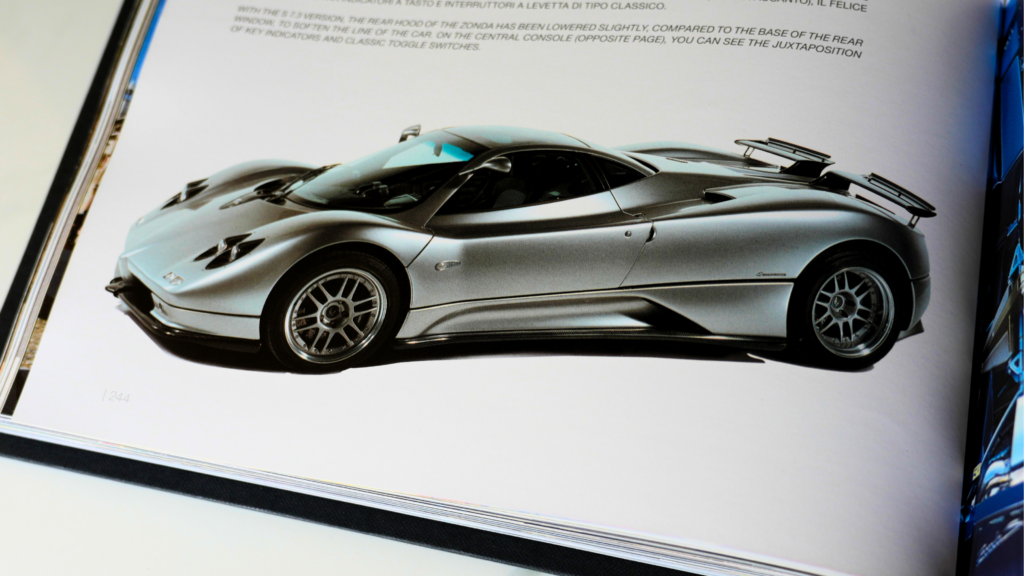
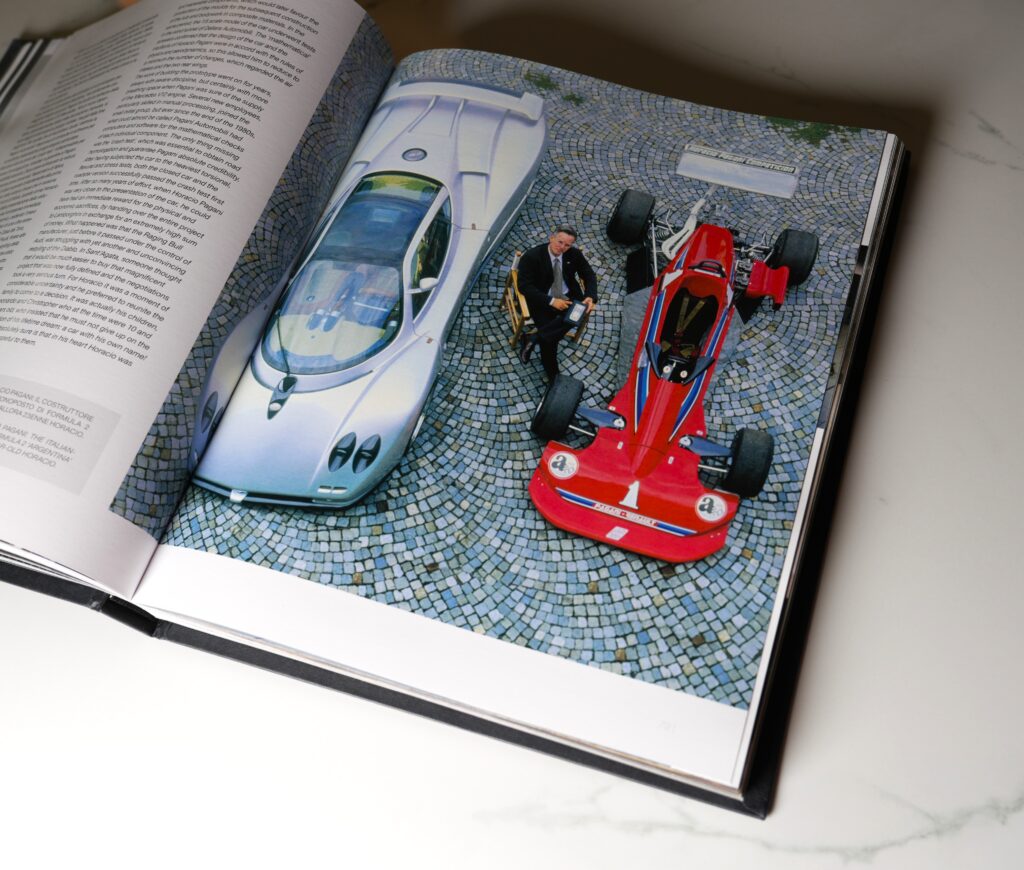
So that’s great right there. That’s from the interview. He realized he saw these cars in a magazine. He’s got that quote from Leonardo da Vinci in his mind, and he’s like, this is like magic right here. This is going to be my job. That’s the start of the whole thing right there. So back to Argentina, small town. This is where he grew up. As a kid, he’s building model cars now. He’s drawing cars. He’s designing all types of different vehicles. By the time he’s 20 years old, Horacio creates his very own Formula Two single-seat race car. He did it completely from scratch.
So there’s another interview. It’s called ‘Drive Experience’ with David Cerone, I think is his name. He does this interview with Horacio, and they ex he explains more detail on his humble beginnings and what guided him along in those early years back in Argentina. So he says he grew up in a rural area. People didn’t really get into the arts or the technical subjects, but he was so lucky to stumble on that Leonardo quote about the art and science walking hand in hand. Nobody was thinking about this stuff back then. Now he could focus on trying to apply that mindset to his passion for these cars.
So young Horacio, he starts to go after his dream right here. He’s trying to figure out the art and the science of cars. And he’s already designing and building his own cars now. So that catches the eye of some influential people in the Argentina racing community. So he’s building Formula Two race cars. He meets one of his idols. It’s a car designer. His name’s Oreste Berta. And he gets to know this guy, Berta. So he finds out that Berta also knows another racing legend. Maybe one of the biggest legends of all racing in all of Argentina.
The guy’s name is Fangio.
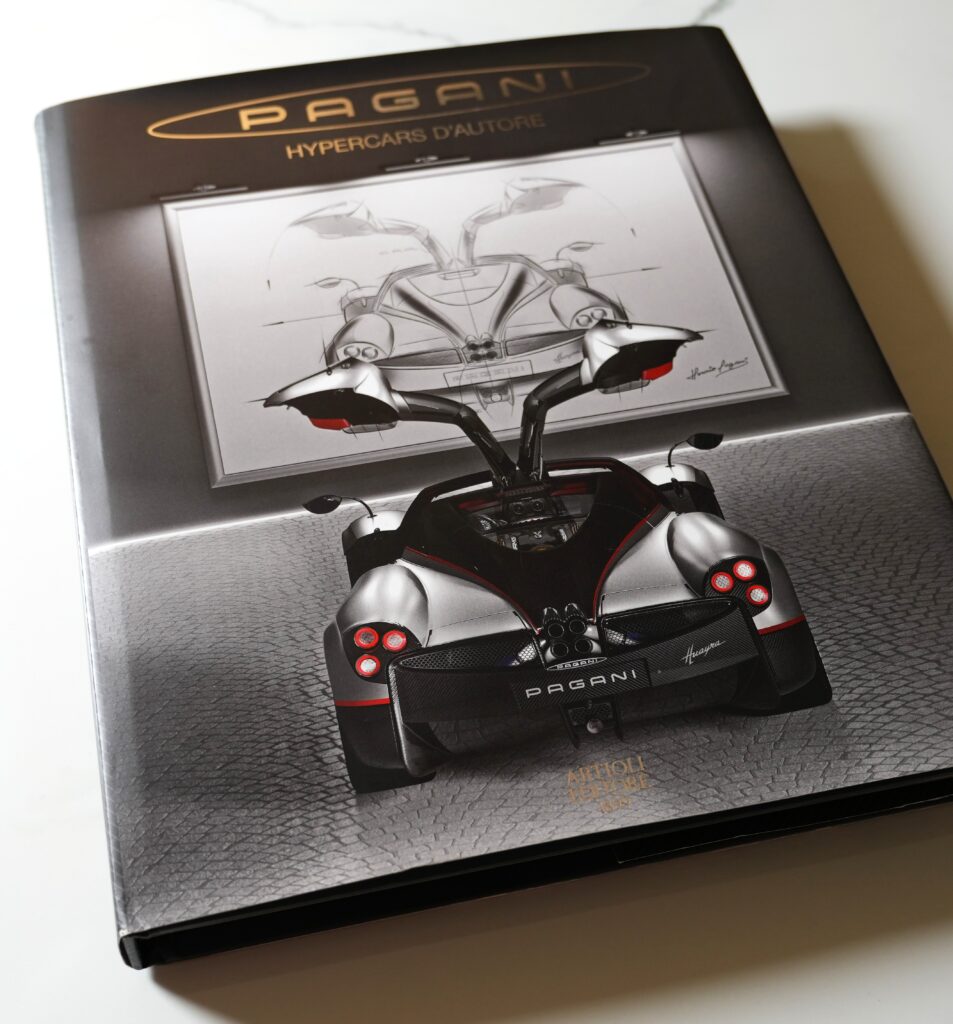
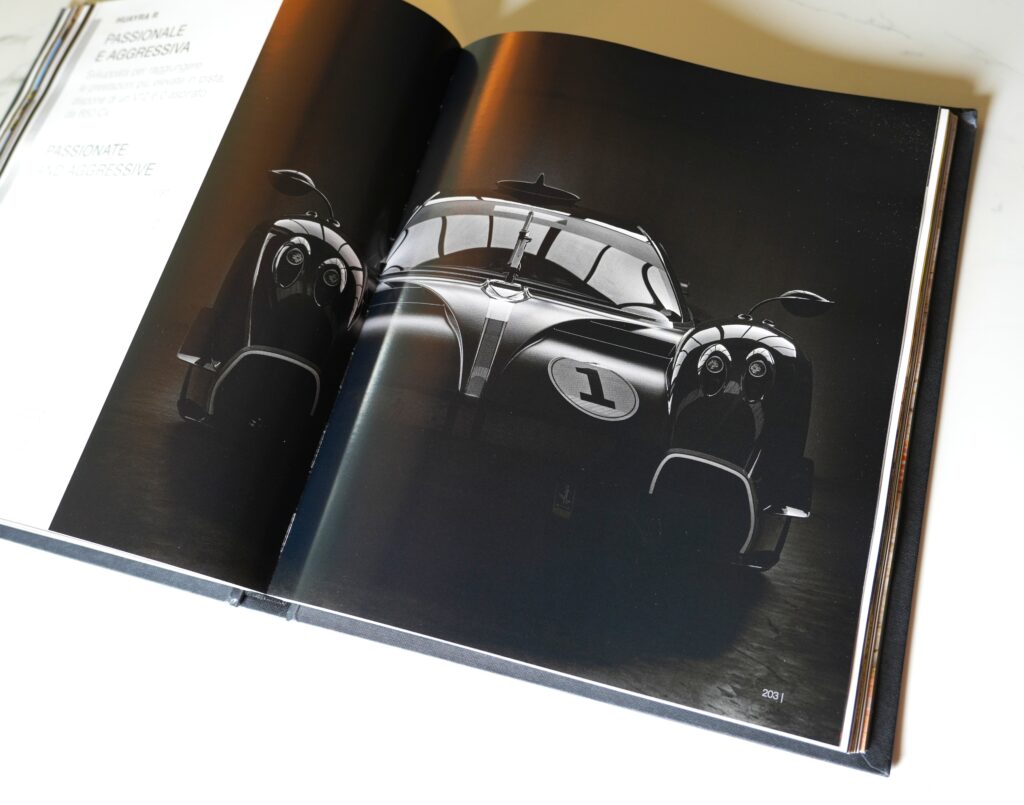
And so I have a book right here. It’s titled “Pagani: Hypercars D’Autore”. And it’s by Italian author Daniele Buzzonetti. And there’s some really great stories of Horacio’s early years in this book.
Fangio Opens The First Door
And it’s an important part of the story right here because you’re going to hear the name Fangio over and over in this story. So right here from that book, it says, Oreste Berta, who had excellent relations with Fangio. So through Berta, Horatio gets to meet Juan Manuel Fangio, the legendary race car driver. So now we’re going to find out this is the big turning point in Horacio’s career right here, meeting Fangio.
And if you don’t know, you’re going to know now who Fangio is. You need to understand why meeting Fangio is such a big deal right here. Here’s how the book says it Hypercars D’Autore. It says,
“Horacio had grown up in the years shortly after the triumphs of Juan Manuel Fangio, the son of Italian immigrants, five-time Formula One world champion, and one of the greatest drivers in history. Fangio, considered a legend all over the world, was fundamental in sparking off a very strong passion for motorsport in the heart of the Argentines.”
So that was out of the book right there. So don’t forget about this guy, Juan Manuel Fangio. He’s key to this Pagani story right here. And he’s such a big influence on Horacio. I actually ordered a book on Fangio because I wanted to find out more about this guy and what made him one of the greatest race car drivers in history. So I found this book. It’s by author Gerald Donaldson. It’s titled ‘Fangio, The Life Behind the Legend.’ Now, in the very first page of that book, in the introduction, this is what it says right here for Fangio. It says,
“More than anyone, Fangio represented the sporting ethic of a period of motor racing that is now long past. He was an artist in the cockpit, tremendously fast, and a daunting competitor, but he wasn’t flamboyant. He didn’t play to the gallery. He always said the best way to win a race was by going as slowly as possible. But if in order to win he had to go faster than anyone had gone before, he always seemed to be able to do it. And as his former teammate and lifelong admirer Sterling Moss points out, you never heard anything bad about him. From his fellow drivers, you never heard anything but admiration and respect. Out of the car he was calm and courteous, a unique blend of charm, humility, and tough acumen.”
So that’s in the first page, the introduction of that book on Fangio. It’s but it’s an introduction by Murray Walker from this book on Fangio. So now eventually, Horacio gets to meet up with Fangio and he tells Fangio his goal is to create GT cars in Italy. So he wants to go to Modena, Italy. And so with Oreste Berta’s help, he asks Fangio for a letter of recommendation so he can get a job with some of the big automakers in Italy.
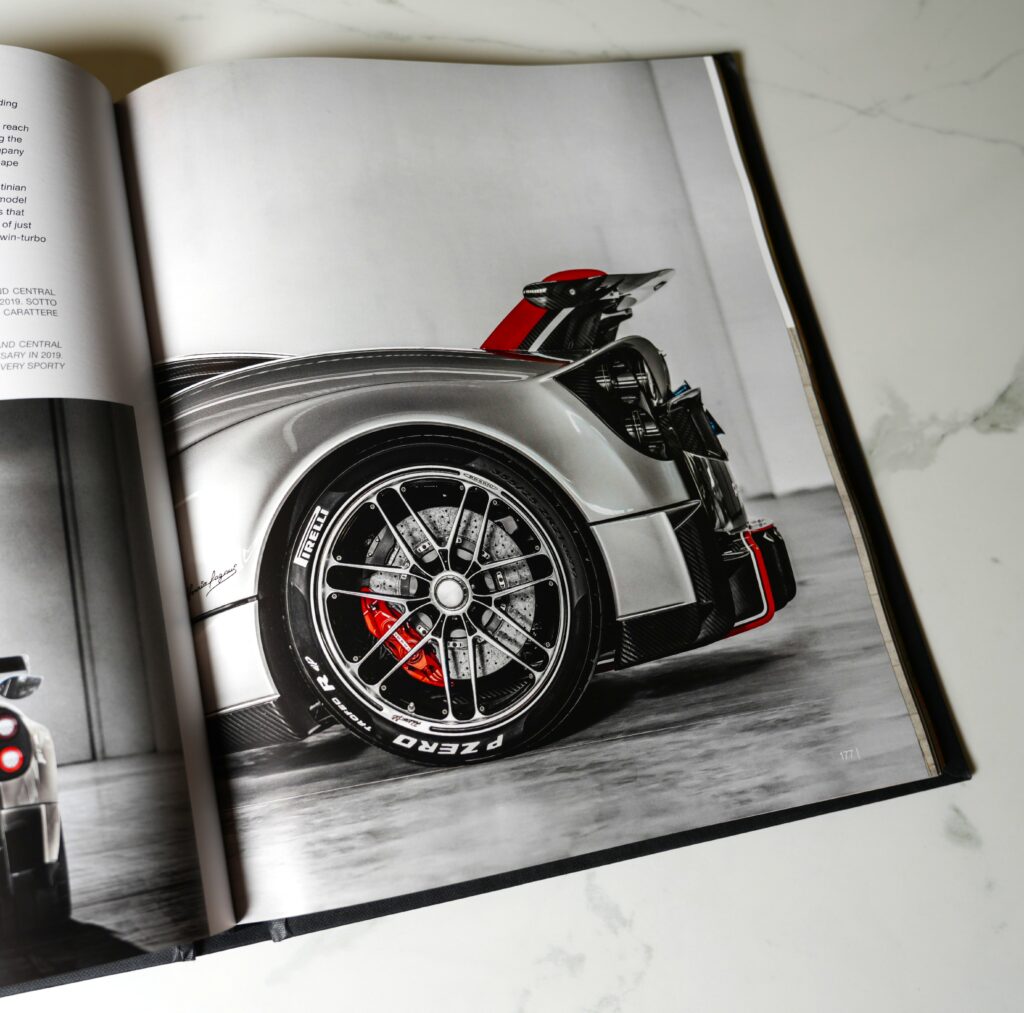
With the help of his friend, now Berta helps Horacio get a visit to go see Fangio at his office in Buenos Aires. At the time, Fangio’s president of Mercedes-Benz, Argentina. So Horacio explains what he wants to do. He wants to go to Monena and he wants to design GT cars for the Italian car makers. He asked Fangio for a letter of recommendation so he can go to Italy to get a job. And so he’s a young guy, but Horacio’s not just some kid off the street. He already had an impressive portfolio of cars and projects and everything that he’s been building for years already.
So he showed them to Fangio and he impressed the legend race car driver. Enough that he agreed to write five letters of recommendation for Horacio. So he could go apply for work at Ferrari and Lamborghini, Alfa Romeo, and there’s a couple others that he sent these letters off to. And then before Horacio left the meeting with Fangio, he gets the blessing that he was looking for. But then Fangio makes it very clear. He says, he didn’t give these letters out just to anyone. He said, “In fact, I’ve written several letters of introduction, but it’s only the second time I’ve ever written a letter of recommendation.”
So Fangio wanted to make sure Horacio knew that he needs to make good on this recommendation. This is a big deal. And I’m sure that pumped up Horatio even more to get out there after he gets these letters from Fangio. So Horacio heads to Italy and he applies for these jobs with the car makers in the Motor Valley. And he gets to meet with Ferrari and he starts to have meetings with all these automakers. Ferrari actually offered him a job on the F1 team from this letter of recommendation. Horacio says, no thanks. He doesn’t want to go build F1 cars. He wants to build GT cars. That’s his dream. He was into the beautiful technical car designs, not the racing, not going as fast as possible.
So he politely declines that offer because he’s over at Lamborghini. He gets a job offer from Lamborghini from this guy, Giulio Alfieri. And so now he’s off and running. He’s got a job offer and he’s going to take it. He just loves the history of Lamborghini and the cars that they’ve been making. And I just did an episode on Ferruccio Lamborghini. Check out that episode if you want to know how this company got its start from Ferruccio. Amazing story. Horacio goes back to Argentina for six months after he gets this job offer. He’s got a girlfriend there and he gets married to his girlfriend Christina.
Italy Anyway After The Offer Vanishes
Just before Horacio and his new wife head off to Italy now. For that new job, he gets a letter from Alfieri. There’s no more job offer. They pull the job offer. So what does he do? He’s in Argentina with the job offer pulled. He goes to Italy anyway. He shows up at Lamborghini asking for any position possible. And this guy, Alfieri, is surprised to see Horacio in Italy. He’s like, he’s just like, hey, what are you doing here? Did you not get my letter that I sent? Horatio has to go work as a florist for a while. He works as a steel welder. He does all kinds of stuff. They live in a tent for a couple months. And then he goes back to Lamborghini and they finally offer him a position as a laborer. It’s the lowest entry-level position at the company.
So now he’s working at Lamborghini. He’s just rising up through the ranks super quick.
Horacio Pagani – The Autoclave Gamble At Lamborghini
And now he realizes that they need an autoclave. It’s this giant oven that you can bake car parts in, this giant autoclave. This is an expensive, big piece of equipment, but Horacio knows that they’re going to need it to build these cars. And Lamborghini says, hey, we’re not doing that. And of course, the famous line, they say Ferrari doesn’t have an autoclave. We don’t need an autoclave.
That same day, Horatio gets on his bike, he rides it to the bank. He pedals it. It’s this is a bicycle, not a motorcycle. He’s pedaling his bike to the bank. He gets to the bank and he wants a loan to buy his own autoclave. The bank agreed. Here’s how Horacio tells that story in the interview with Drive Experience. This is how he says it.
“Until a day I was a pest, the general manager told me, if the Ferrari Road Cars department hasn’t got an autoclave, why should we buy it? So that day, I always went to work with my bike. I went to the Santagata Bologna Bank and I asked for a loan to buy an autoclave. Maybe the bank director was madder than me and gave me the money. When I had the autoclave contract, back then in Italy, there were maybe four or five autoclaves in the whole country. I went to the manager and told him, where can I put this when they will deliver it? And he told me, “You are committed, mad!” Rent a warehouse and go on with your research. All that matters is to keep on working with us, with your team.”
All right. So that’s the transcript from Horacio telling the story. That’s Horacio telling the story right there in Italian. And that’s how it went down right there. He’s got his contract, he’s got his loan from the bank, he’s got the paperwork, he brings it back to his Lamborghini manager. And the manager says, You are committed, mad. Just put it, find a warehouse to put that in, but get back to work here with us. He doesn’t want anything to do with it. The Lamborghini manager does not want anything to do with this autoclave.
He asks him, Where can I store this when they will deliver it? The manager just says, You are mad. In the interview, Horacio actually says, he called his research, he said it was a research, but then he goes, he called his research actually “hodgepodges.” He said, Do your hodgepodges over there, but just don’t leave us. Get back to work here. That’s what they were telling him at Lamborghini.
So Horacio learns all about the autoclave and how to make parts while working at Lamborghini still. So they ask him in the interview, they say, When did you realize you wanted to build your own car?
Recession Pressure And Night Work
Okay, so this is the big moment here that I started earlier with. This is it right here. So this is a car made completely of carbon fiber parts. Now he’s got an autoclave, he puts it in a warehouse, just like his boss told him. He calls his new company, Modena Design. This is an engineering company, and he’s going to make these parts with his own autoclave, and then he’s going to sell them back to his employer, to Lamborghini, and to other manufacturers who need certain parts.
Now, the Gulf War hits and it stops a lot of stuff going on. It’s an economic slowdown in the auto industry, in most industries. And Horacio’s figuring out that he’s kind of in trouble here because everybody’s slowing down and he’s got big expenses from all this equipment and no orders coming in. So this entire time he has this dream of his own car. Okay, so that quote earlier, I was reading that, but he said this was the moment right here. He knew he needed to create his own car. Just making parts, it’s not gonna work. It’s nobody’s building anything new, like what happens in a recession. He says, this is not gonna work. I have giant expenses with all my equipment and I have orders that are just trickling in here.
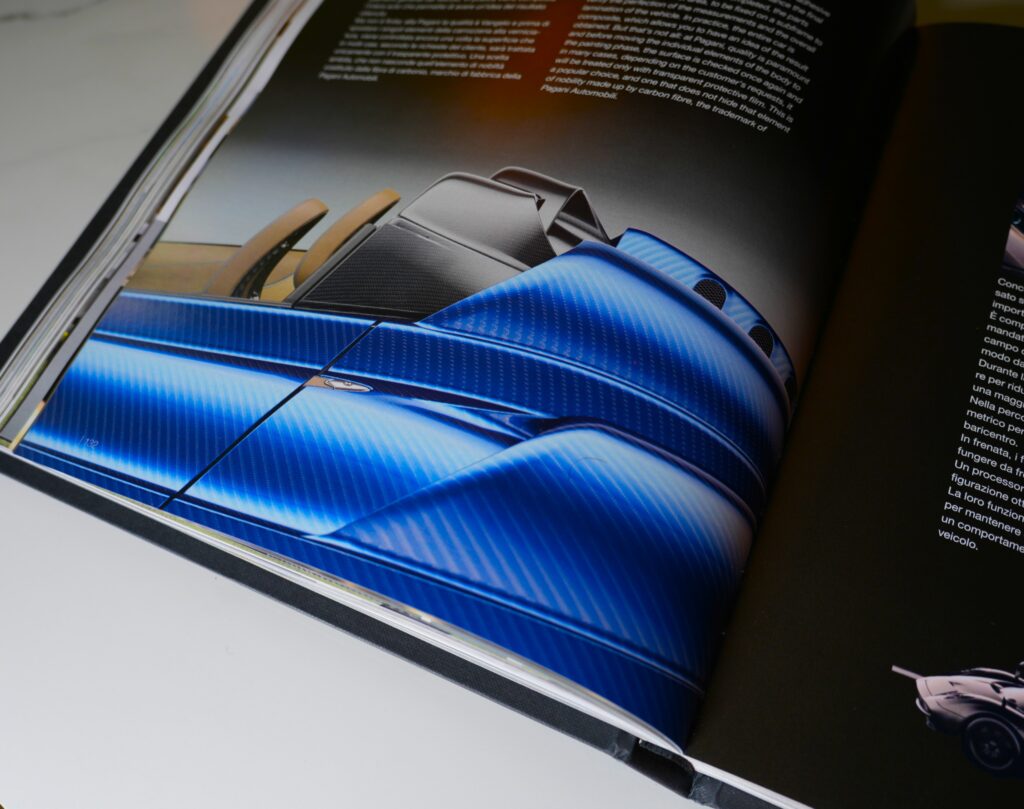
He realized that his business making car parts with the autoclave, it just wasn’t gonna do it. He wanted to take the next step, and of course, that’s gonna be with his own car. So he decides to go for it. He’s gonna build his own car, but this is gonna be pain right here. This is painful. He’s gotta keep working during the day. This is from the book right here. He says,
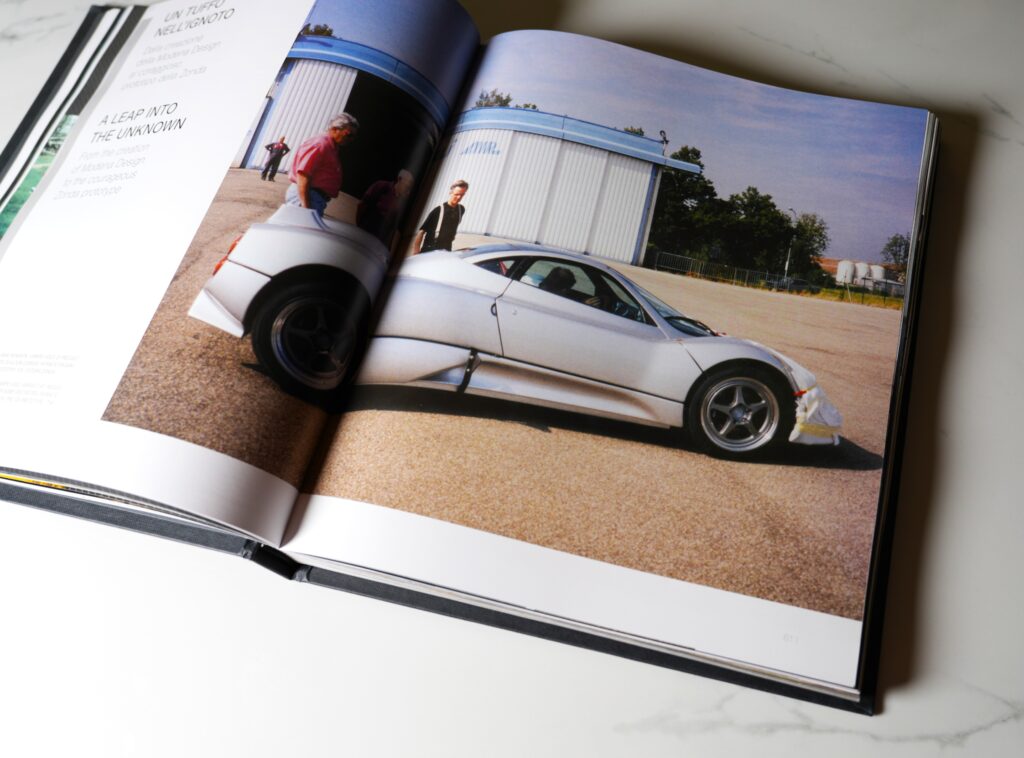
“Of course, we could only dedicate ourselves to the project in the evening or in our little free time. We had to devote a lot of time to the construction, which was completed entirely with manual methods of the models necessary for the manufacture of the final components in composite material. Yet toward the end of 1993, the concept of the car and the project of the bodywork had been completed, then it took another six years to complete the car.”
So this is a huge process. He’s got to work. He’s trying to pay his bills. He’s trying to learn how to make parts in his autoclave. And he’s trying to design the entire vehicle all at one time. So he goes on in the book. He says,
“I was satisfied with the results, but did not have the financial means to produce the car at all, albeit in an ultra-limited series, for the same reason. The car, even though it had been designed to house a 12-cylinder unit, was still without an engine. A problem that was difficult to solve precisely because of the cost.”
So he’s got some things going here, but he knows like the engine is a giant problem. It’s an incredible cost. So what’s his plan? He’s got to keep moving forward with the design, but the engine is still a giant question mark. So this is what the book says on this. It says,
“At the beginning of the design phase, Horacio Pagani did not even have an engine available for the C8 project, his future supercar. He could only hope that once he presented the prototype, a manufacturer would be interested in backing it.”
So he’s got a big problem here, but he knows if he can get this great design complete, a prototype without an engine in it, he knows that he could maybe try to convince someone that already is building engines, maybe an existing manufacturer or someone would be interested in putting their engine in his car. That’s what he’s going for. So he says, like he, this is a huge issue right here. He’s in the land of the motors. That’s what they call this region in Italy. All these famous car brands are in this one area. They call it the Motor Valley. That’s the name of this area.
He says he’s in the land of the motors, but he has no engine. He just doesn’t have the money for it. He can’t build his own. The costs are way too high to develop an engine. Um, he’s got to get this car design done. And he can make the pieces and he can put this car together, but he needs to somehow get an engine in this car. To build his own engine, he says the cost, it was totally beyond reach, is what he said. So the book,
“It says it was the impossible dream for a company that was already producing a miracle.”
The the impossible dream is to find a powerful engine for his car. He’s just barely scraping by to get the chassis and the bodywork completed. But now this giant task of an engine, that’s going to be the next struggle. Don’t forget about all those great relationships that he’s got from back in the day when he was a youngster. Back in Argentina, he’d know some people. Don’t forget that.
The Pagani Engine Problem And Fangio’s Help
Horacio goes back to Argentina to attend a birthday party for Juan Manual Fangio. It’s his 80th birthday party. Horacio goes to see Fangio back in Argentina. What does he do? He brings along some photos of his car that he’s been building and he shows Fangio and then he says, Hey, I could really use some help finding an engine for this car. And so in this book, it says, by this point, Fangio already had been thinking about Horacio’s problem that he’s going to have to get an engine into that car and how he might be able to help. So you won’t believe this, but at the time, remember, Fangio’s been president of Mercedes-Benz Argentina for 25 years now.
By 1991, he’s the honorary president. So he has major influence at Mercedes. Needless to say, at this time, Mercedes-Benz has been working on a new V-12 engine that was super light and compact just for high-end sports cars. They invested 400 million marks to develop this new engine. Totally state of the art. Well, at the birthday party, Fangio tells Horacio about this new engine.
And I’m sure Horacio’s just trying not to jump right out of his shoes as he’s hearing about this new engine. And the possibility of getting this thing in his car. I mean, this is the perfect choice, and it’s all falling right into place, right in front of him. So what does Horacio need to do to close this deal? He needs to meet with the head engineer at Mercedes in Stuttgart, Germany, this guy named Dieter Zetsche. And he’s got to hope that Dieter Zetsche likes his car. So Horacio heads to Germany for this meeting.
Winning Mercedes With A Tiny Factory
And so here’s what happens when he shows Dieter Zetsche his car, a picture of his car. Horacio says,
“I remember that when he saw the drawings and renderings, the engineer Zetsche observed, it looks like a timeless car. And I replied with warmth, “thank goodness it’s a timeless car, because I’m the one with no money and I’m going to need a lot of time to make it.”
And so this deal is not over. They hit it off in Germany, but Zetsche still wants to check out the little factory and make sure everything that Horacio is showing him is actually true. And that he actually has a real factory and he actually has a real car that he needs this engine for. He wants to see it. So this is amazing, right here. Horacio talks about this in his book. In a lot of the interviews, he talks about this too.
He needs to make his little company, Modena Design, the headquarters, the little warehouse, where he builds his car parts and where he’s building his car. He wants to make his company look a little bit bigger than it actually is. For this big meeting with Dieter Zetsche, Horacio has an idea. He asks some of his friends to come over to the shop and he gives them all coats to wear to make them look like they’re employees of Modena Design. Because Dieter Zetsche is coming to inspect the property. And Horacio doesn’t want to miss his big chance to land this deal with Mercedes.
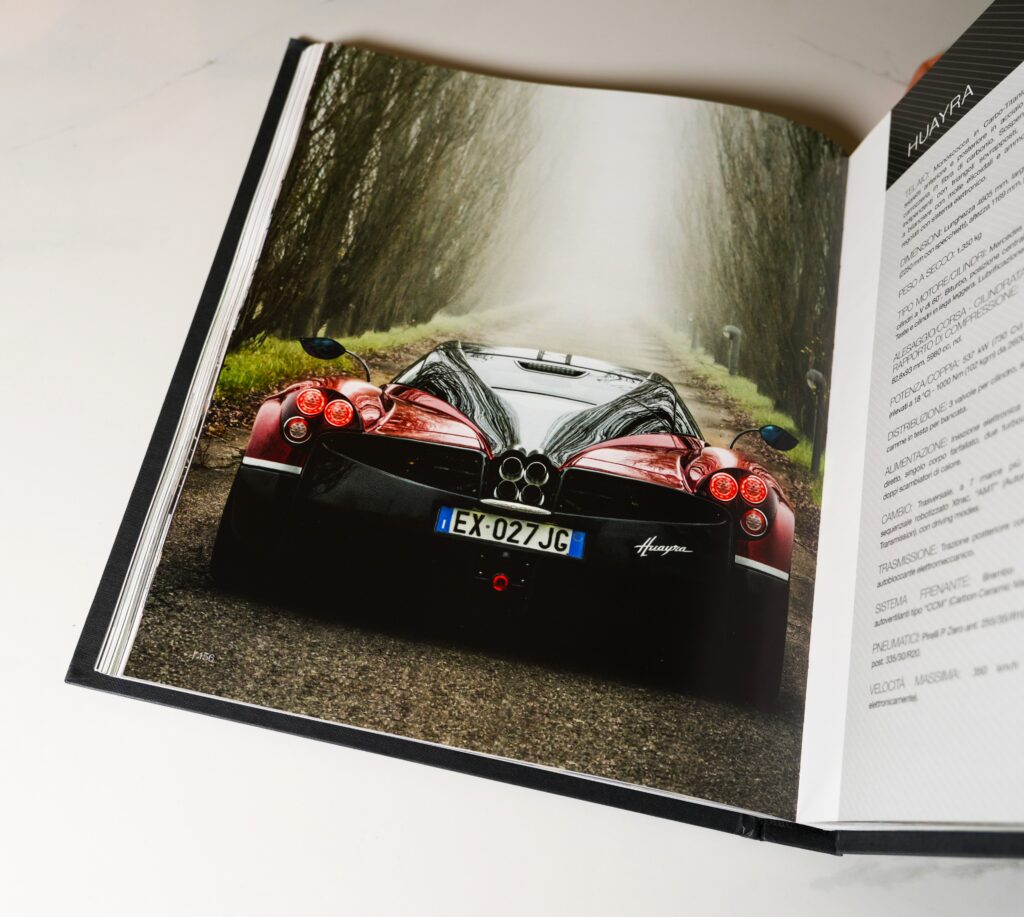
This is the big moment right here. And there’s this great quote from Horacio right here. He says, about the results of this meeting and this plan, this crazy plan that he had to dress up some of his friends, like they’re employees of the company, just to make the to make the company look a little bit bigger. Horacio says this. He goes,
“I don’t know if the expedient had any effect, but from that moment on, the subsequent relationship that still binds us to Mercedes came about.”
So the plan worked. They hit it off. He shows him his company. They show him the prototype. And of course, Dieter Zetsche, the head of engineering at Mercedes-Benz, he’s not just going to give his prized V12 engine to just anyone who makes a prototype of a car. He likes the design, of course, and I’m sure he liked Horacio, but he’s really going off the recommendation of the racing legend, Juan Manuel Fangio. And he comes up huge for Horacio for a second time right there.
The first time was that letter of recommendation that he gave to all the Italian car manufacturers, which turned into that first job at Lamborghini. That set him down the path of buying that autoclave so he can create his own car. Now the second time by recommending Horacio to Dieter Zetsche and recommending him for this new Mercedes-Benz V12 engine for his new car. So if you’re wondering why Horacio mentions Fangio’s name in just about every single interview he’s ever done, this is why, right here. He had a major, major impact on his life, and he changed it forever by backing him several times. And this quote from the book by Horacio just sums it up right here. He goes,
“Once again, Juan Manuel Fangio, an F1 champion, but also a man of great sensitivity and intelligence, who played an essential role in some key moments of my professional life, helped me. I was still a nobody, but Fangio managed to persuade engineer Dieter Zetsche, at the time a member of the board of directors of Mercedes Benz and future president of the same company to have a look at the design of the car I was making.”
So he gets the Mercedes-Benz V12 engine, the groundbreaking new engine. Mercedes was dumping 400 million marks into this development. And it would turn out to be one of the most epic, well-known, reliable, trusted performance engines of all time, right here. He gets that engine in his new car from the very beginning. Now, one more detail out on that engine. Horacio talks about this during this drive experience interview right here. He says, once he got the first Mercedes V12 AMG engine, he placed it into his Zonda car. He talks about how this engine was so much better than he ever could have imagined.
First of all, it’s a super powerful engine, but he knew that already. But it also had a lower center of gravity, which is a key factor for supercars. But more than that, Horacio has this thing he calls he has a “weight mania.” He says he has he’s got a weight mania. Everything has to be lightweight. He’s obsessed with keeping the weight as low as possible. He gets this Mercedes-Benz AMG engine, and it was lighter than he was planning. Which, if you can imagine, if you have a weight mania, then you’re thrilled to get an engine that’s lighter than you thought.
So here’s an awesome quote from that interview. He explains this excitement of getting his hands on this Mercedes V12 engine for the very first time. Listen to this.
“He told me a lot about this engine. In fact, after meeting Zetsche and I received the first engine, the first thing I did, since I have that weight mania, things have to be light. I placed it on a scale, and I was surprised because I thought a sedan engine would be heavy, and I wanted to do a lightweight car. When I put it on the scale, it weighed 70 kilos less than the Diablo engine. 70 kilos. And the center of gravity was 40 to 50 millimeters lower. So I was really, really surprised.”
So that’s what Horacio’s thinking when he gets his hands on this engine for the first time. It’s lighter. It’s a lower center of gravity. He did all of his design according to the Diablo engine because he knew the specs of that engine. But it was better, it was a big surprise because it was so much lighter and lower center of gravity from that Diablo engine that he was planning, that he was designing around. So here he goes. He keeps on going here how lucky he was, how fortunate.
He’s always humble and he’s always talking about how, and this is how he just talks about how great this worked out. He says,
“I barely had the money to make the pieces one by one, to make this car. So thinking about the engine was absurd. We were talking about this yesterday with an English journalist. He was one of the first to interview me back in 1999. And one of the first questions he asked me was, Why didn’t you build a Pagani engine? And I answered as I’m explaining it to you now. Yesterday we met again, he thought and said, In the end, you have been lucky because you took an engine from a factory who invented the car, a 140-year-old factory. And today, a Rolls-Royce has a BMW engine, a Bentley has a VW engine, a Bugatti too. Lamborghini mounts engines built together with Audi. So in the end, what we chose, even though it was the only choice, wasn’t wrong. Today, for the Huayra, we have got a specific engine, the ME-158, made by AMG only for the Pagani. And it’s the first time, according to the president, that they make an engine for a company they don’t own. They also made the SLR engine, the McLaren, and eight cylinders, but back then they were 50% owners of McLaren.”
So even still, right there, he’s talking about to this day, Horacio talks about how great this was to get that Mercedes-Benz AMG V12 engine.
Naming The Zonda And Defining Hypercar
And the partnership is still stronger than ever to this day. It’s really amazing to look back at how all this came together. So now he can finish the car, he’s ready to show it to the world. But before he does that, last but not least, he needs a name for the car, which is a big deal, especially for the very first car from a new manufacturer in the Motor Valley of Italy.
The name is a big deal. And this is for a car that now has a V12 engine from Mercedes-Benz. It’s made from carbon composite parts. And the design is turning heads. So the name has got to be finalized right now. So the name for the Pagani model, it was always going to be the “Fangio” after the legend. And we know why that is such an important name after everything we’ve talked about.
And this he was just this trustworthy friend that always had Horacio’s back. But now, right before he releases the car at the auto show, he Horacio’s having second thoughts if this makes sense. So he explains this process right here. He says,
“In fact, the car was launched after six years at the Geneva Motor Show. A month before the launch, I started to feel a bit scared because I loved Fangio, an intelligent and sensible person. He was the first to win five times the F-1 championship. He was too much, a life coach, an incredible person. And I thought the car couldn’t live up to being named Fangio.”
So that explains it right there. Horacio’s having second thoughts about the name of the car. He always wanted to name it Fangio. And then he’s thinking, there’s no way a car can live up to the name Fangio. I gotta get a different name in here. So he calls up his buddies back home in Argentina. And these were all the same friends that encouraged him when he was a kid. So these are trusted friends. He says, I need some help here. This is what he tells him. He goes, “Guys, I need you to help me find a name for the Fangio.” And so they sent me a list of names, among which there was Zonda, which was the name they liked as well.
And so why did they like the name Zonda? What is Zonda? What does it mean? Well, back in Argentina, there’s a track near the Andes Mountains. It’s called Autodromo El Zonda. And this is a race track that’s very familiar in the racing community back in Argentina. And the name just stuck right there. It just suddenly made perfect sense to name this car Zonda and not have to deal with any questions about naming a car after Fangio.
He didn’t want any controversy with that name, since this was he was such a respected friend. He just wanted, he didn’t want to have questions about Fangio. So the car became the Zonda. Just about a month before the launch of the car at the Geneva Motor Show, Horacio changes the name of the car to Zonda. And so I didn’t even know this until one of these interviews, but I always thought that the name Zonda was named for the warm wind that sweeps down the Andes Mountains in Argentina. That’s what her that’s what Zonda means. It’s a wind. But then here in one of these interviews, Horacio says the name Zonda was actually from that racetrack, Autodromo El Zonda. So it’s a perfect name.
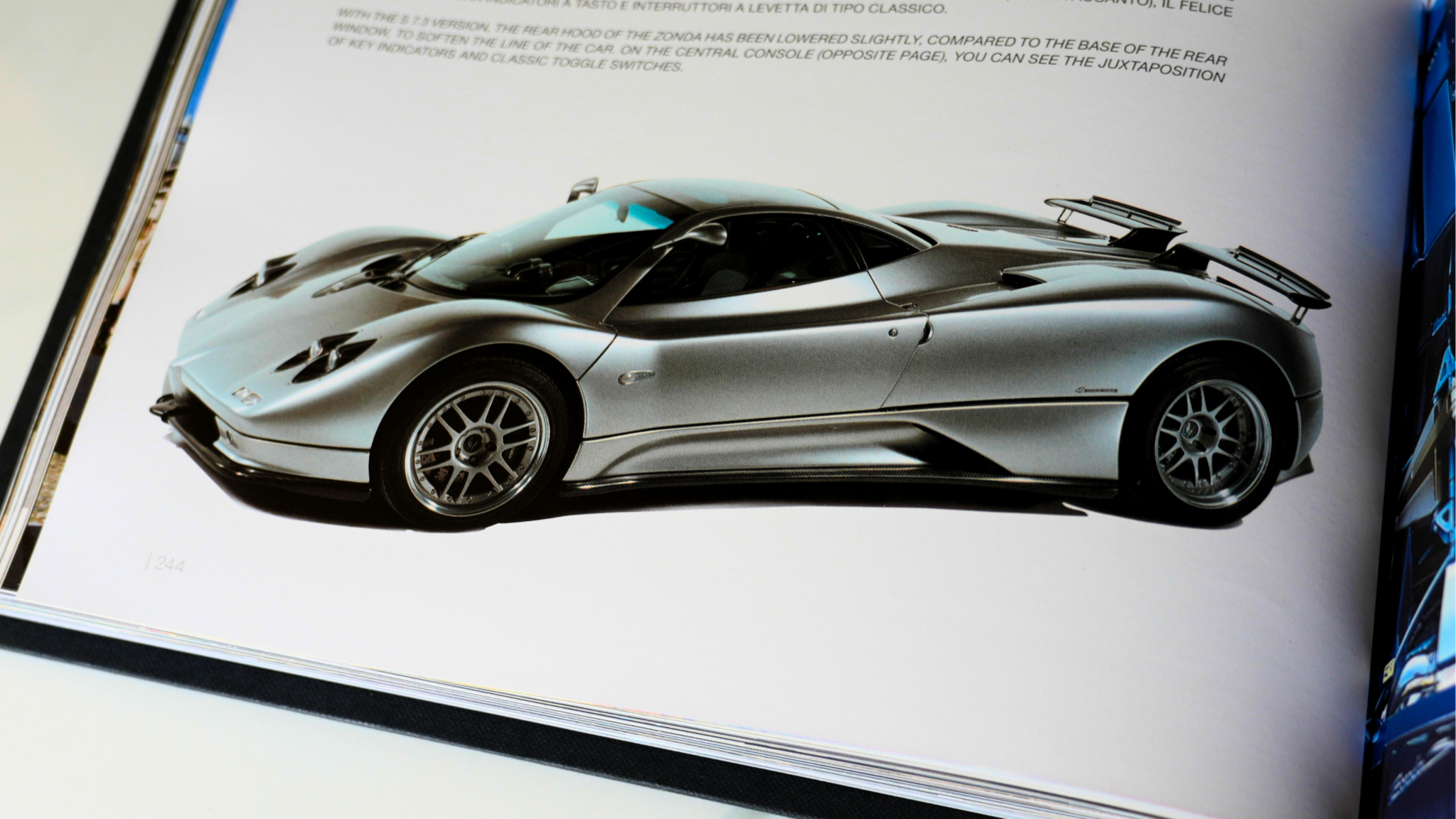
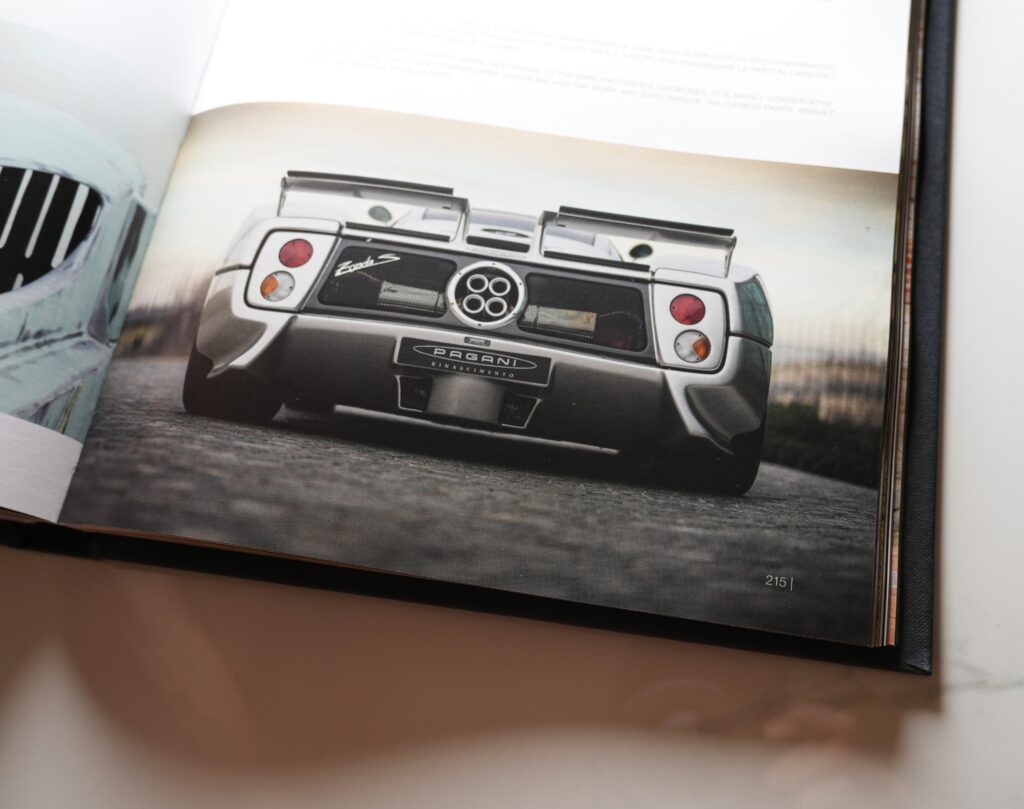
So now the full name of the car, it’s the Pagani Zonda C12. So the C for his wife, Christina, and then the 12 being for the V12 engine that’s in the car. Now, a lot of these interviews they have some of his philosophy. Horacio talks about like what people found in his Zonda creation or that immediate impact that it made on the car industry once he unveiled the car. Hypercar D’autore. This is what he says.
“For years he had been thinking about the personality and characteristics of the Zonda C12, which could be summarized in four fundamental benchmarks. Number one, a futuristic and provocative style. Number two, refined technology linked to the use of composite material, which were essential for performance and safety as well as a reason for further charm. Number three, an official supply of the Mercedes AMG V12 engine. And number four, the exclusivity of offering customers the possibility to create and closely follow the construction of their own car.”
So if you think about those four characteristics right there, those four things just absolutely blew people away when they saw this car. The book keeps on going here. It says,
“There were certainly many reasons to have confidence in the new Motor Valley manufacturer. But the exhibitions, Geneva in particular, are crowded with innovations and time is always short for those who have to present their products and for those who have to discover their characteristics. Of course, if it hadn’t been immediately understood, the Zonda would have had many other chances to establish itself later. But there was no need. The experts looking for new products quickly found the Pagani automobile stand.”
So right there in the book, it says there’s a lot of things going on at the Geneva Auto Show. Are you gonna stand out? Maybe it takes some time for someone’s creation to be appreciated. So maybe it’s not gonna happen at the auto show, but it says with the Zonda, there was no need for more time.
It was understood instantly.
So the book goes on to explain the impact of the Zonda right here. It’s it’s the introduction of the term hypercar. It says,
“Meanwhile, the automotive vocabulary was being updated. In view of the characteristics, considered revolutionary at the time, the Zonda C12 was defined as a hypercar, a term that went beyond the previous concept of supercar and immediately entered the terminology of enthusiasts.”
So the book right here, it’s arguing that it was the Zonda that ushered in this new phrase, hypercar. Here’s Horacio again explaining his enormous respect for the car industry. And it’s always a soft-spoken and it’s in a humble way in all these interviews, but here’s what he says.
“Let’s start by saying that I love the automobile. I love her and I have enormous respect for the others. I always try to send this message to the kids, to my colleagues. We have to build a unique car. We don’t have to make a better car than Ferrari or Lamborghini. We have to think that we are here thanks to Maserati, which made a car. Lamborghini made another one. Ferrari too. We are here thanks to them. So we have to respect the heritage and the history.”
And that’s Horacio. He’s describing how much of a fan he is of the industry. And he goes on in this interview. He’s explaining that he just ordered his own Ferrari and that he really loves visiting the Ferrari factory to check out the car that they’re building for him. Here’s what he says right here. He loves the industry. He wants to humbly show his respect for everybody that came before him.
Pagani – Humility, Customer Trust, And Flaw Hunting
So they ask him, what are his goals? What’s the future Pagani? He says,
“Our goal is to keep investing on everything that evokes emotion, which is art. The pursuit of art is part of our DNA, and we pair it with scientific research. Today I had 10 signs printed that said, I think we are not as good as people think. I’m gonna place them everywhere in here. It’s an incentive to keep working humbly, with curiosity, with a desire to learn and research to create something that evokes emotion. Our cars are not prescribed by a doctor. Our cars are useless in a sense. Clients are not forced to buy a car like ours. Therefore, to excite a person’s emotions so they are willing to spend three to fifteen million euro, you really have to work hard.”
He’s just constantly hammering on this thought of staying humble and respecting the other automakers who came before him. And then he’s just trying to please the customer. He wants to focus on surpassing all expectations. So here’s what he says right here. And in this interview, he ends with he says this, he goes,
“I would like to close by saying that we were not doing anything new. The idea of merging art with science was born with Leonardo da Vinci over 500 years ago. What we’re trying to do humbly is to bring forward this Da Vinci concept, which is public domain still, of joining these elements together.”
So again, he’s just like, we’re not inventing any ideas here, we’re just applying them. So how do you do all this driven to create a brand that just blows everyone away? Like Chris Harris said in that opening quote that I read. He said,
“If you had to imagine in your mind the autocratic, charismatic creator of probably the most impressive hypercar brand to emerge on its own. In the last 30 years, you couldn’t actually make up Horatio Pagani. He’s perfect.”
That was my quote from Chris Harris that I started this episode with. So how do you do it? There’s another thing that he talks about in all these interviews. And there’s a main thing that he focuses on in these interviews that I’ve watched. The customer. He knows he needs to deliver. One of these interviews, he said this story. He goes, they were sending out the initial renderings of the Huayra car, the second model that they designed. They sent all these sketches out to existing customers.
So all the owners of the Zonda, the first model, they’re developing the second model, the Huayra. And so they send out the sketch, and the car sells out right there. They all want to buy the Huayra just from looking at the drawings of it. Deposits start to pour in from the current customers. His customers, there’s no details. There’s no horsepower listed. There’s no delivery dates. There’s nothing. There’s no prototype. Just a sketch for a $2 million car and people want to buy it right there.
And that’s when he’s just like, wow, that was it, he says. There’s a trust here that the customers have with us now. We have to deliver. We have to go beyond what they think is coming now. We don’t want to let our customers down. That’s what he is explaining in this interview. And that drove Pagani to exceed even the craziest expectations right there. That became the goal was to go even further than anyone could expect. He says, You have to do it because these cars are not necessary. They’re just cars. So here’s one mindset from Horacio right here to keep focusing on that goal on the customer. Here’s a great quote right here. It says,
“Despite the investment of so much passion into his automobiles, Mr. Pagani acknowledges a personal distance from his creations. I don’t fall in love with my cars. If I fell in love with my cars, I would lose objectivity. I would not be able to see what are the flaws. A customer who spends all this money on a car, the first thing he finds are the flaws. So when I’m in front of one of my cars, I try to perceive the flaws to improve the vehicle.”
So he can’t fall in love with his cars, otherwise, he won’t be able to see those flaws.
Last thing right here, Chris Harris. The quote that I keep on bringing up, he goes, You couldn’t even make up Horacio. He said, “autocratic, charismatic.”
So that word “charismatic,” if you watch these interviews, there’s a lot that gets lost in the captioning. Because if you don’t speak Italian, you gotta watch all the, you gotta read all the captions. But Horacio’s charismatic in these super unique ways in these interviews. You just have to really pay attention with the captioning.
The Toyota Van And The Bike
My favorite little detail that had me laughing out loud in one of these.
Horacio doesn’t fly much in Italy. He just doesn’t like to fly. He’d rather drive. Now just remember this. Number one, he loves his bike. He rides a bicycle to work every single day. He loves the bicycle. He says it’s the best form of transportation, is pedaling a bike. Okay, but so getting around Italy, he spends a lot of his weekends in Milan and he’ll take a vehicle there.
So it’s from the Pagani factory near Modena, and he’s gonna drive to Milan.
He’s not driving a Pagani.
He’s taking a Toyota van.
He says it’s the ugliest car ever made. It’s this giant square van. But he goes, in this interview, he says it’s super functional because he can lay the seats way back. He goes just like first class in the back seat. And so the interviewer is just like, What? What, like, what are you talking about? And so Horacio, his eyes just light up talking about this. He goes, Yeah, the Toyota Alphard, they sell them in Japan. He goes, I have the only one in Italy. He goes, You have to look this thing up on the internet. The Toyota Alphard.
So of course I did. I looked it up, and it’s not what you would expect Horacio Pagani to be cruising around in. That’s for sure. You need to see this Toyota van. It’s called the Alphard. You can look it up on the internet. But it works. It just works. It’s so functional, he says. So in the same interview, there’s another great moment. And it just shows the charisma, like Chris Harris was talking about. The charisma and the humble outlook that just makes Horacio so unique.
So in this interview, he’s talking about another story. He says the owner of MV Augusta called him up one day. He asked him to do a restyling design for this F4 motorcycle. It’s one of the most legendary motorcycles ever built. And it was designed by Tamborini, this iconic motorcycle designer.
So Horacio says, Well, I just don’t know. Well, why don’t you just send me a bike, send me an F4, and I’ll take a look at it. So they send him an F4 motorcycle. He puts it in his living room of his house. He watches the bike in the morning and on the weekends for six months. He’s staring at this F4 motorcycle, this iconic motorcycle.
And now this is the chance right here to leave his mark on this iconic motorcycle forever, to do this little redesign, this little refresh. Give his input.
You know, he’s the creator of this amazing brand. Now it’s his chance to give some input into this motorcycle.
Something that was created by the legendary designer Massimo Tamborini.
Now it’s his chance to put his little twist on it. Right now.
So he finally calls back the owner of MV Augusta. He tells him,
“Honestly, the bike is so beautiful that I don’t dare touch it.”
“I don’t have a better idea than to leave it as it is.”